

WHY THE GOLF COURSE IS STILL THE MOST POWERFUL BOARDROOM IN BUSINESS
7 min to read
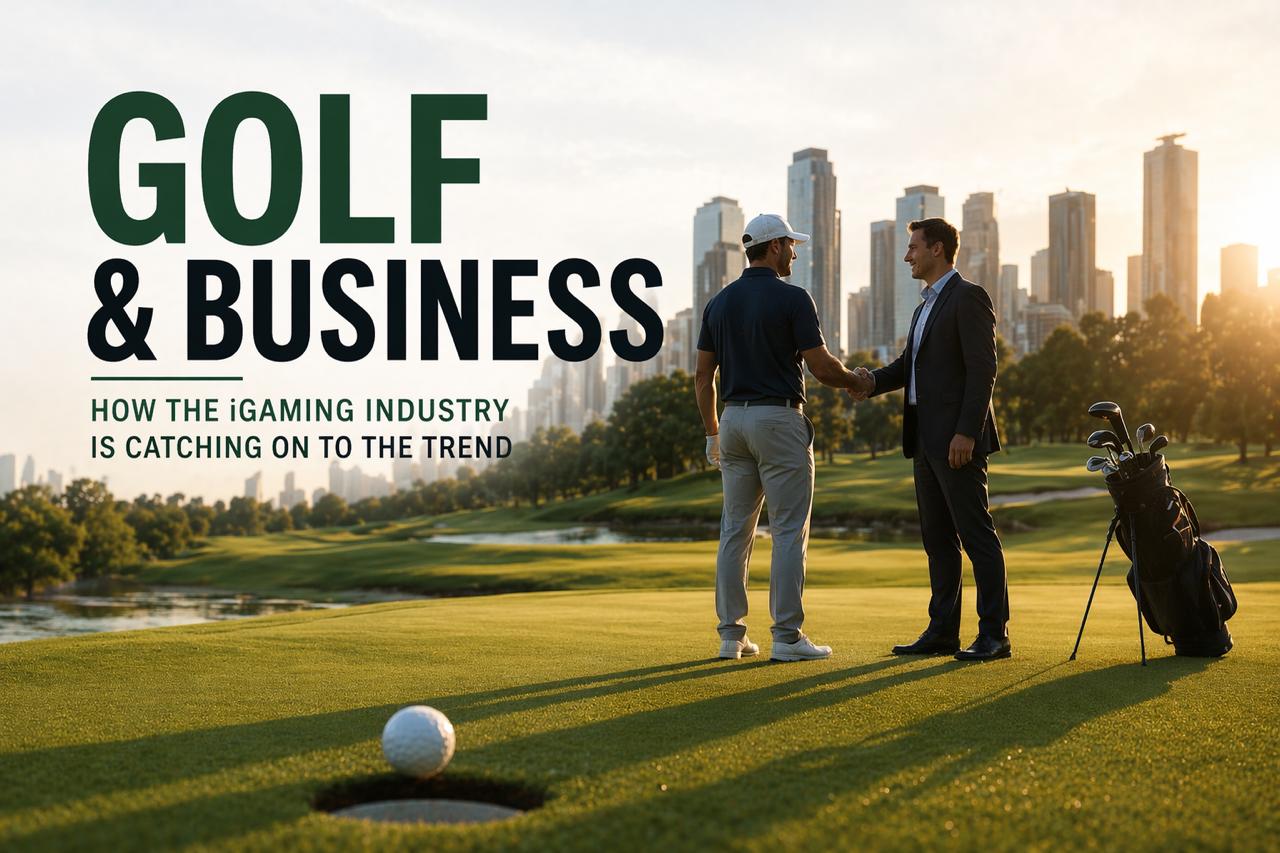
For me, Golf has always been an integral part of growing up, which then transitioned into my working life. I can safely say that without it, I wouldn’t be in the position I am today. There is no greater leveller than the Golf course, and getting to a reasonable Golfing standard has definitely helped me navigate many productive conversations. The preset agendas definitely tend to disappear very quickly. Titles matter a lot less when you are standing over a three-foot putt to halve a hole. What remains is common ground, shared challenges. Everyone is subject to the same conditions, trying to navigate the same problem. It is, if you think about it, a near-perfect model for how commercial relationships are actually built.
It is no accident that golf has endured as the preferred arena for senior business conversations. While networking events produce business cards and conference panels produce LinkedIn connections, golf produces something more rare. Its a genuine insight into how someone thinks, behaves under pressure, and treats people when the stakes feel personal.
FOUR HOURS THAT CAN'T BE FAKED
The average corporate golf day runs four to five hours. That is an enormous investment of time by the standards of any modern executive diary, precisely the reason Golf works. You cannot hide a performance for the length of time. At some stage, the real person shows up. How someone reacts to a bad shot, whether they absorb it quietly or let it affect those around them. These moments say more about their professional temperament than any interview question ever could.
Senior dealmakers have long understood this. Private equity and M&A professionals, in particular, have used golf as an informal due diligence tool for decades. Meeting a founder or CEO across a boardroom table tells you one story. Walking 18 holes with them tells you another. The golf course creates a controlled pressure environment, one where decision-making instincts, emotional regulation, and personal values tend to surface naturally.
“You cannot hide a performance for that length of time. At some stage, the real person shows up — and that is exactly what the serious dealmaker is waiting for.”
THE iGAMING INDUSTRY IS TAKING NOTE
The iGaming sector is not short of networking opportunities. ICE, SBC Summit, SiGMA, iGB Affiliate, Next.IO etc. The industry calendar is dense with events designed to bring operators, suppliers, affiliates, and investors into the same room. Yet the feedback from senior professionals across the space is consistent: the most valuable conversations rarely happen in the exhibition hall.
They happen on the sidelines. At the bar after the keynote and increasingly, on the golf course.
Part of this reflects the maturation of the industry itself. iGaming has moved well beyond its start-up phase. Operators are publicly listed. M&A activity is significant and ongoing. Regulatory frameworks are tightening across key markets. The people running these businesses are operating at a level of strategic complexity that demands a different kind of relationship building. The need for relationships to be built on genuine trust, not just transactional familiarity.
Golf answers that need. It provides shared experience, extended time, and a deliberately neutral environment. It's away from the conference floor, away from the sales pitch, away from the noise. In a sector where personal reputation travels fast, and partnership decisions often come down to chemistry as much as commercial logic, that distinction matters.
DEAL FLOW FOLLOWS RELATIONSHIP DEPTH
The empirical case for golf as a business tool is well established. Research from executive networks in the US and UK consistently shows that executives who play Golf report a higher rate of relationship-driven deal flow than those who do not play. The reason is not golf itself per se, it is what golf creates: repeated, extended, informal contact between people who might otherwise only interact in formal settings.
Repetition is the keyword here. A single round establishes a connection. A second round deepens it. By the third or fourth time two people share a course, the dynamic has shifted. The relationship carries weight. Trust has compounded. That is when the more significant conversations become possible. Partnerships, investment, talent, and strategy are all nurtured.
For businesses operating in a high-trust, high-regulation environment like iGaming, this kind of relationship depth is not a luxury. It is a commercial asset.
THE INFRASTRUCTURE IS CATCHING UP
For years, Golf’s position in the iGaming industry remained informal and largely ad hoc. A shared hobby among a subset of professionals, without the organisational structure to make it truly useful. That is beginning to change.
The emergence of dedicated golf networks within the industry reflects a recognition that structured social capital has real commercial value. When the right people are on the same course, at the right moment, in the right environment, things happen. Partnerships are explored, opportunities are shared, and decisions that might have taken months are compressed into an afternoon.
The question for any business active in this space is no longer whether golf is relevant to their commercial strategy. The question is whether they have the right access, at the right level, to make the most of it.
ENJOY 3 MONTHS FREE
Sign up before the end of May and take advantage of 3 months Free Membership.